Green Valley Artificial Turf Experts
Desert-Adapted Turf Installs in Green Valley, AZ
Desert-adapted turf installs in Green Valley, AZ with heat-rated fiber and reflective infill for 100-degree summers. Free estimates.
- 15+ Years local experience
- 500+ Projects completed
- Licensed & Insured
Serving Green Valley and nearby communities.
Not every turf product is rated for the kind of heat Green Valley sees in July and August. Green Valley Artificial Turf Experts specs products chosen specifically for high heat exposure, not a general-purpose fiber that happens to be sold in Arizona.
Heat affects turf two ways: it can make the surface too hot to walk on, and it stresses the fiber and seams over repeated summers. We address both with reflective infill and UV-stabilized materials rather than just picking a darker or lighter green and calling it done.
What's included
What's Included with Desert-Adapted Turf Installs
Typically included: heat-tolerant turf selection, reflective infill, UV-protected backing, and expansion allowances at seams. Optional: lighter-color yarn blends for additional surface cooling, upgraded cooling infill near pool decks or play areas. Customer prep: let us know which areas of the yard get the most direct afternoon sun so we can prioritize heat-rated product there.
Want a clearer scope?
Get a Free EstimateHow it works
How Our Desert-Adapted Turf Installs Process Works
 Step 1
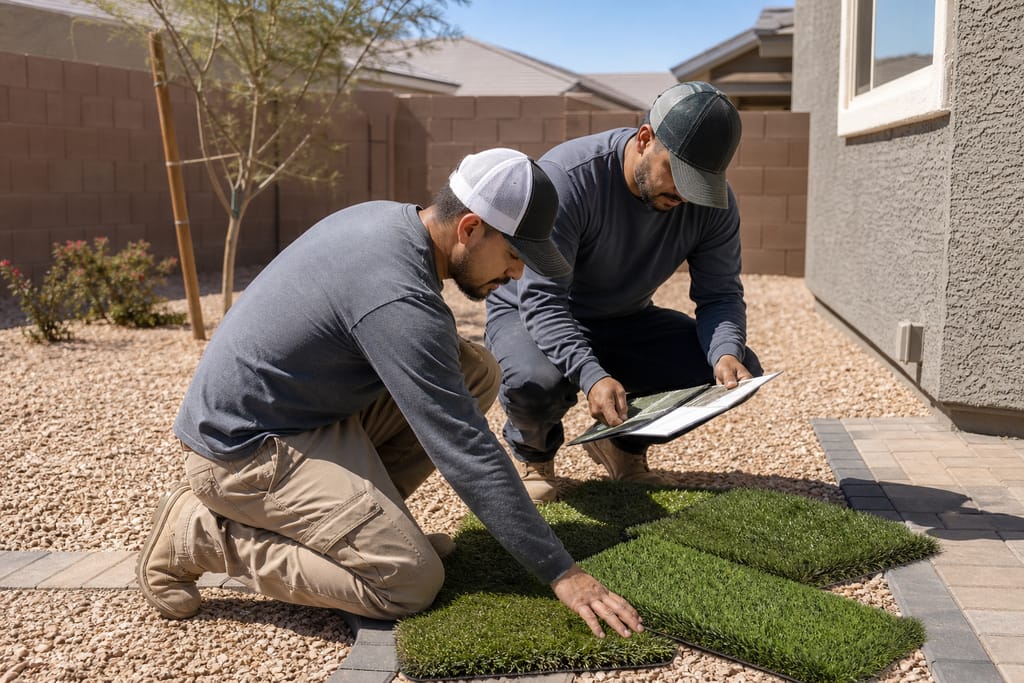
Heat tolerance planning
We pick turf fiber rated to resist melting and fading under sustained desert sun.
 Step 2
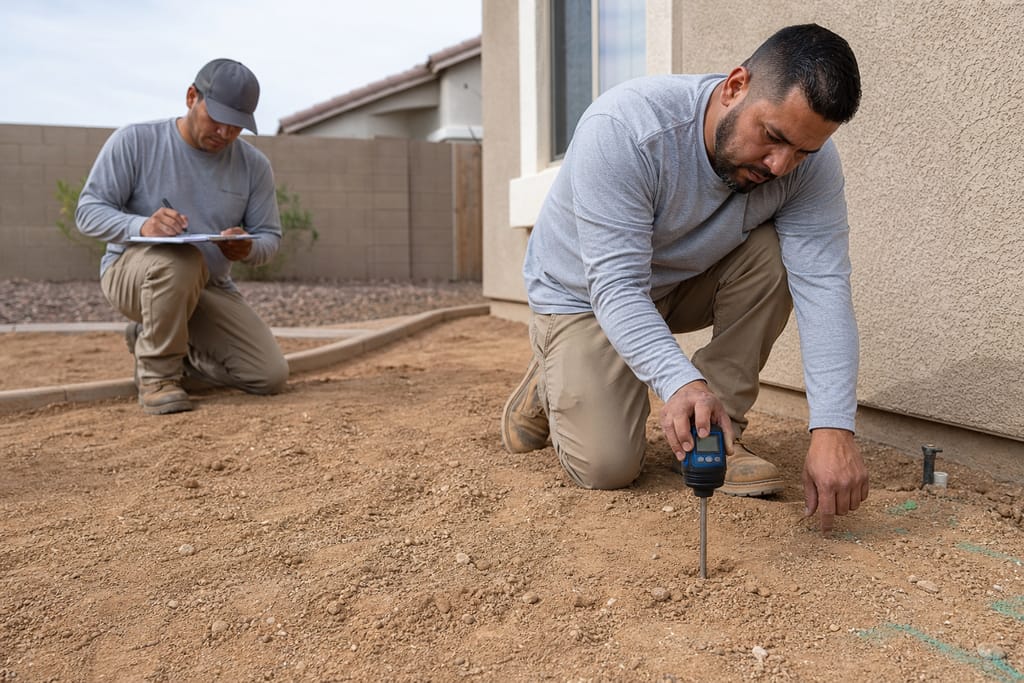
Soil moisture testing
Existing soil is checked so drainage keeps up during monsoon runoff and summer storms.
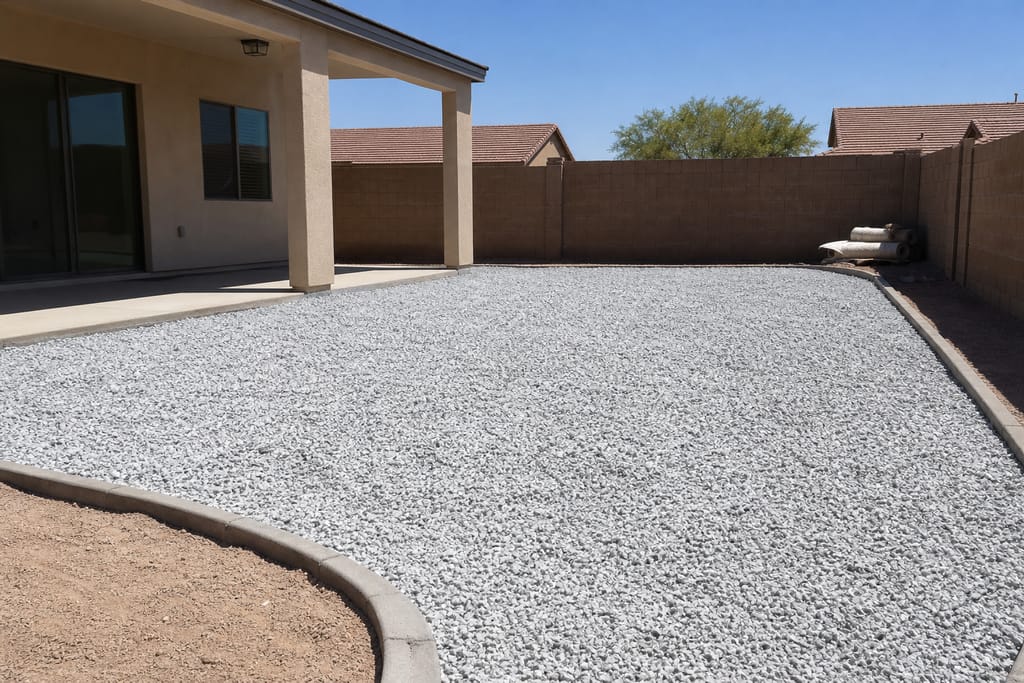 Step 3
Reflective base prep
Base materials are chosen to limit heat buildup directly under the turf surface.
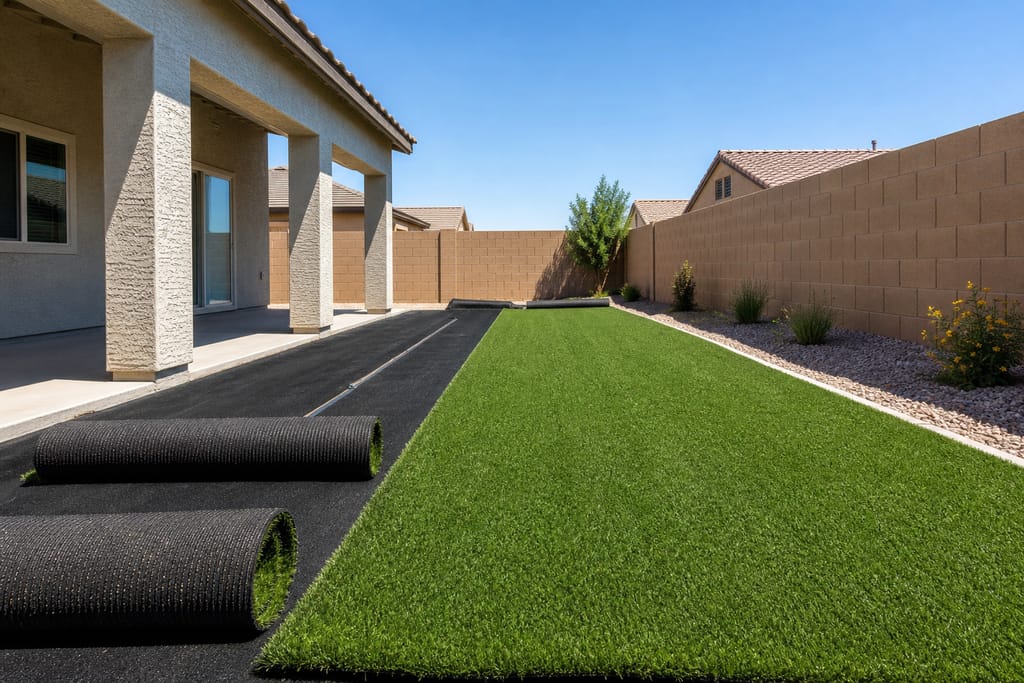 Step 4
Heat-resistant turf laying
Specialized fiber goes down built to handle Green Valley's 100-plus degree stretches.
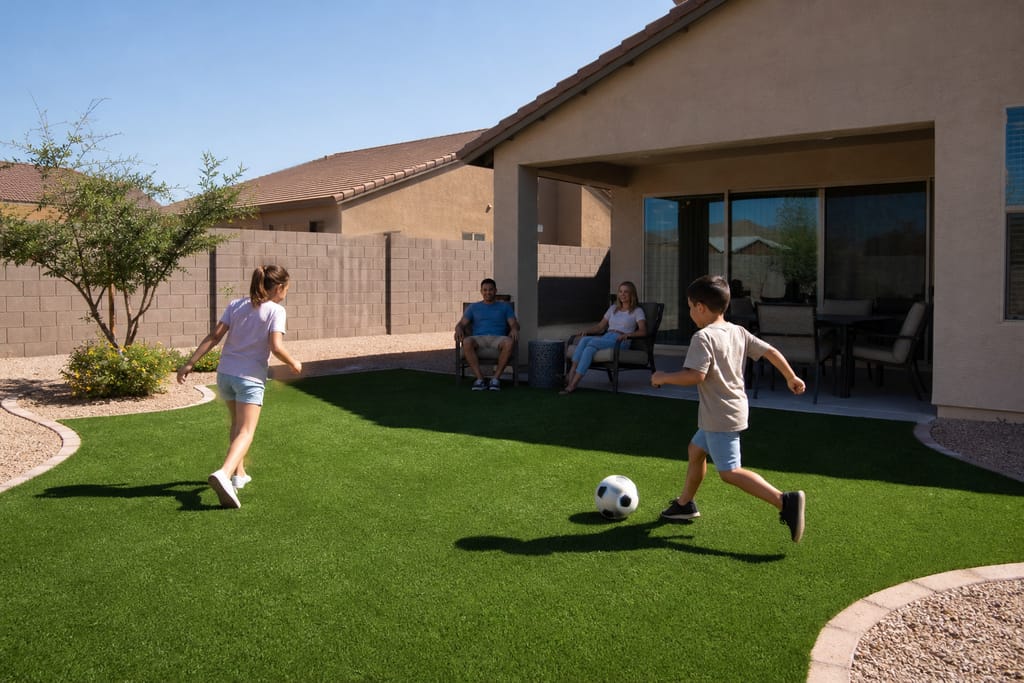 Step 5
Expansion gap allowance
Small gaps at seams account for material expansion during peak heat.
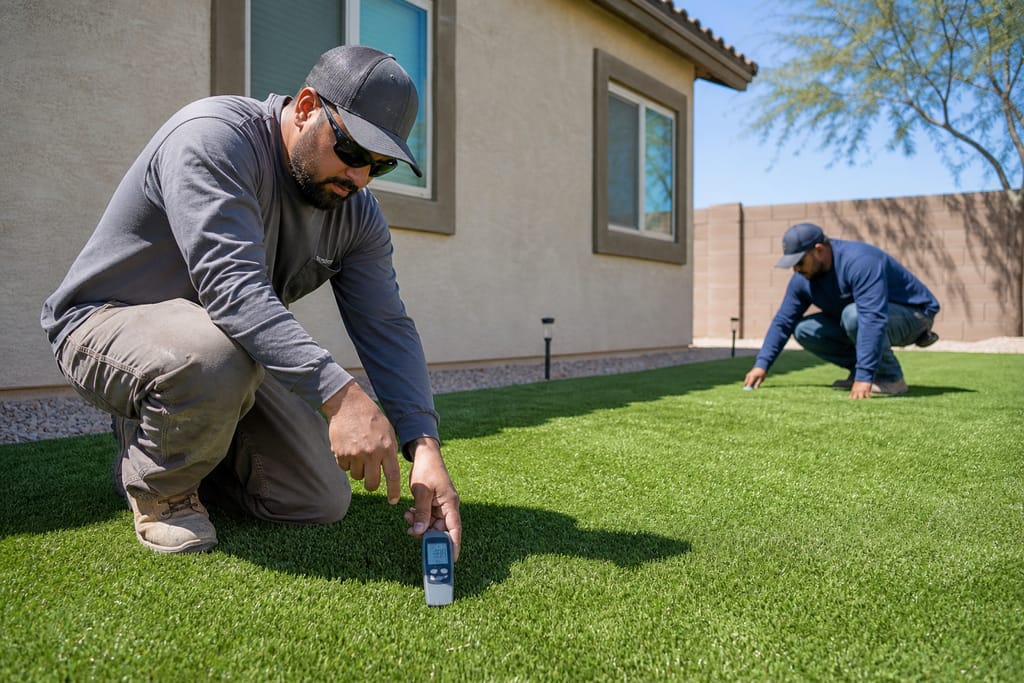 Step 6
Surface cooling check
We check surface temperature in direct sun before calling the job finished.
Materials
Materials and Methods for Desert-Adapted Turf Installs
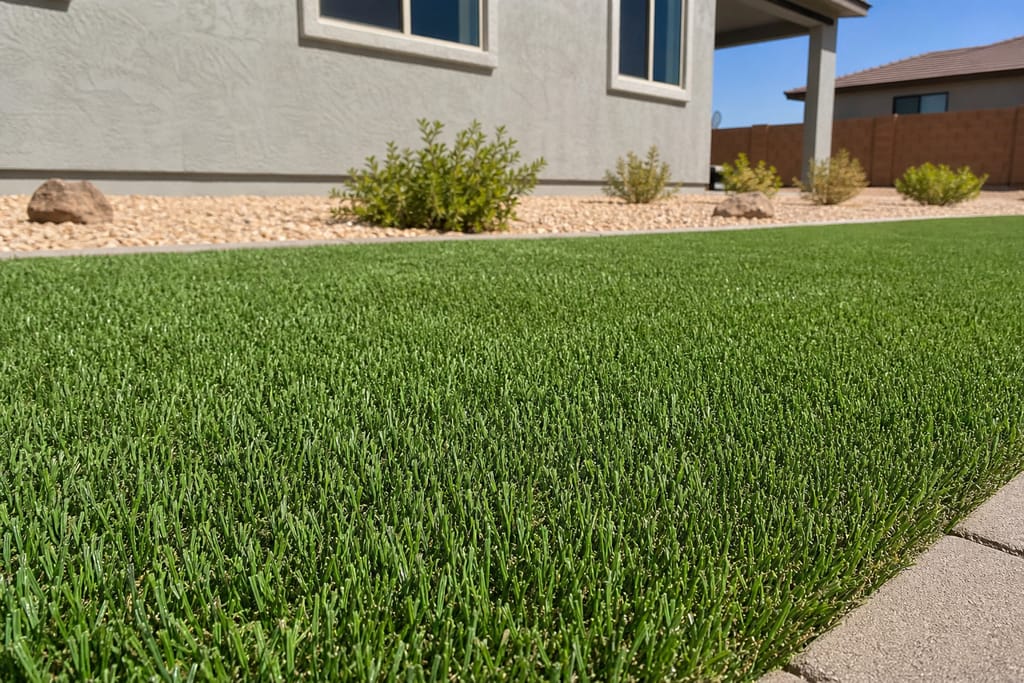
Heat-resistant turf fibers
Engineered to resist melting and color fade through repeated Arizona summers.
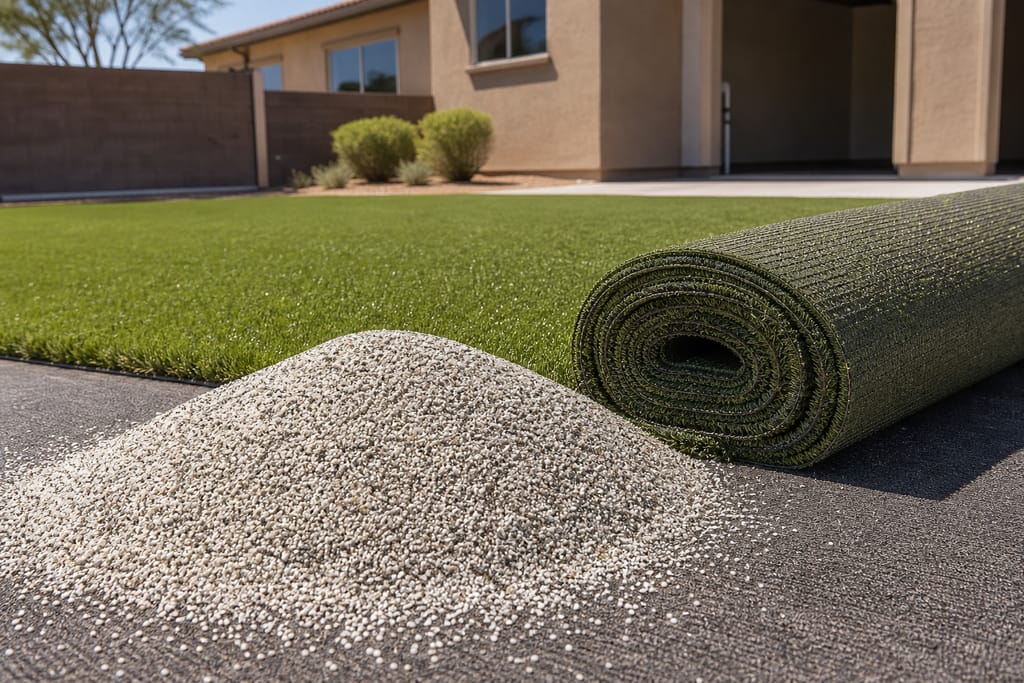
Reflective infill blend
Reflects heat instead of absorbing it, which keeps surface temperatures lower underfoot.
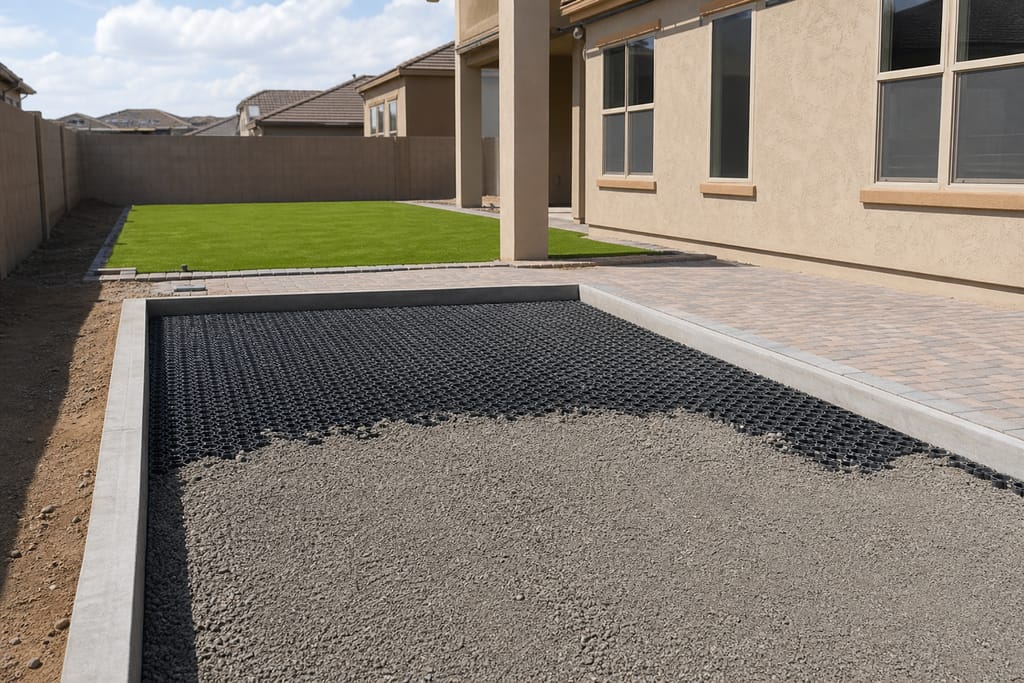
Drought-tolerant base layer
Chosen for stability in the dry, low-moisture soil typical across Green Valley lots.
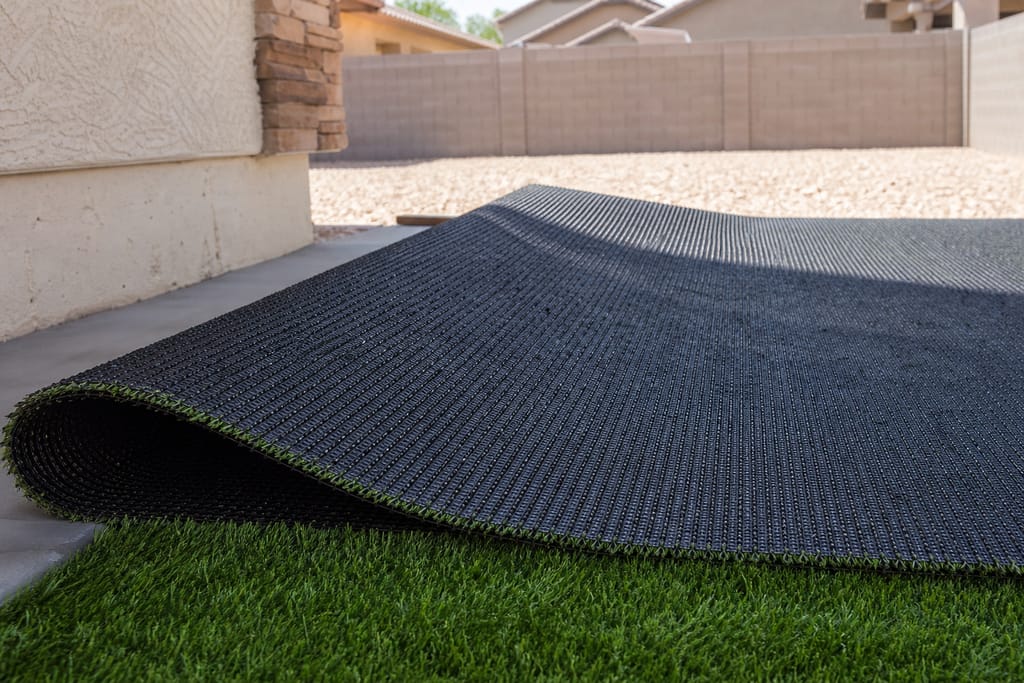
UV-protected backing
Resists cracking after years of direct sun exposure, unlike standard backing.
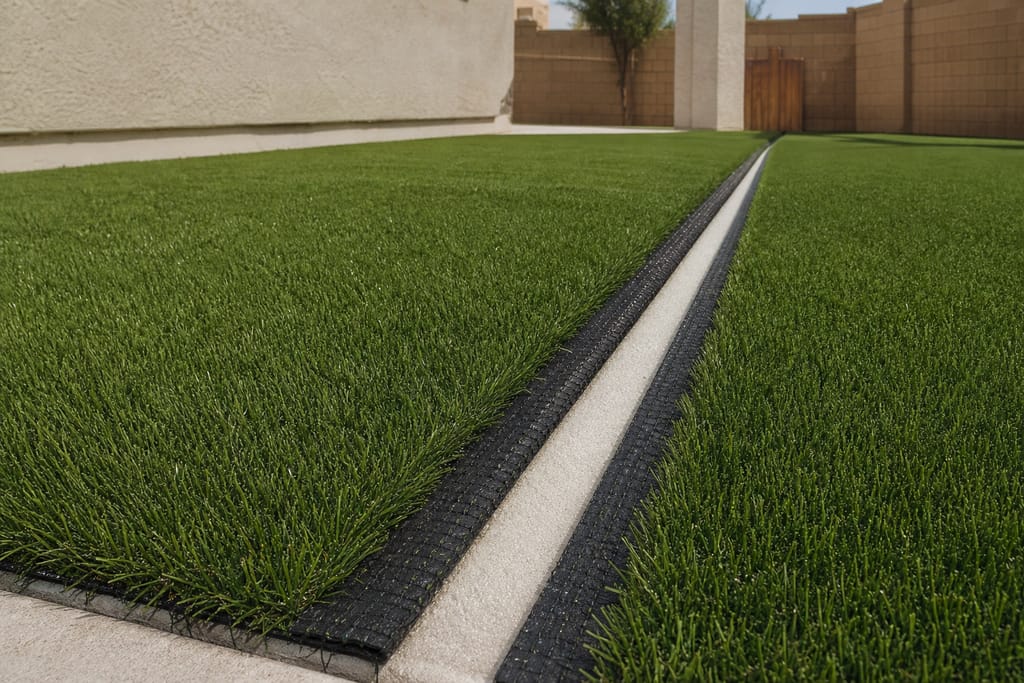
Thermal break seams
Seaming technique accounts for the expansion and contraction heat causes in turf material.
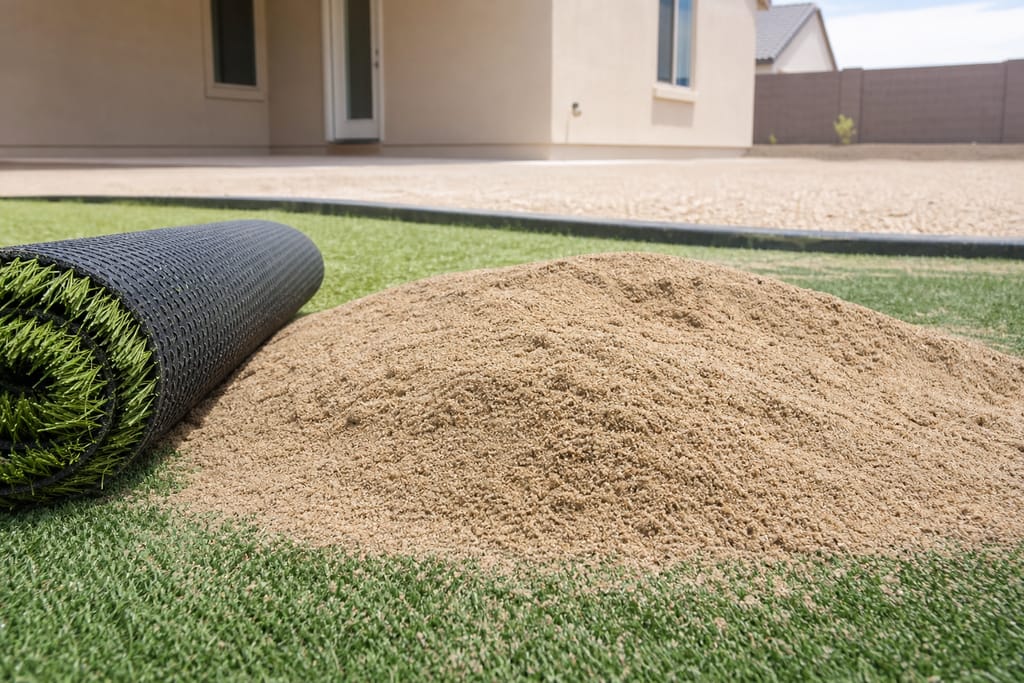
Sand-based filler
Stabilizes the turf while still allowing some heat to dissipate rather than trap under the surface.
Questions on materials?
Get a Free EstimateTimeline
How Long Does a Desert-Adapted Turf Installs Take?
A heat-rated install follows the same general timeline as a standard turf job, with extra attention at the seam stage.
- 01
Site evaluation and product selection
same day - 02
Base prep and compaction
1 day - 03
Turf laying with expansion seaming
1 day
Need a schedule that fits?
Get a Free EstimateBefore & after
Before and After Desert-Adapted Turf Installs
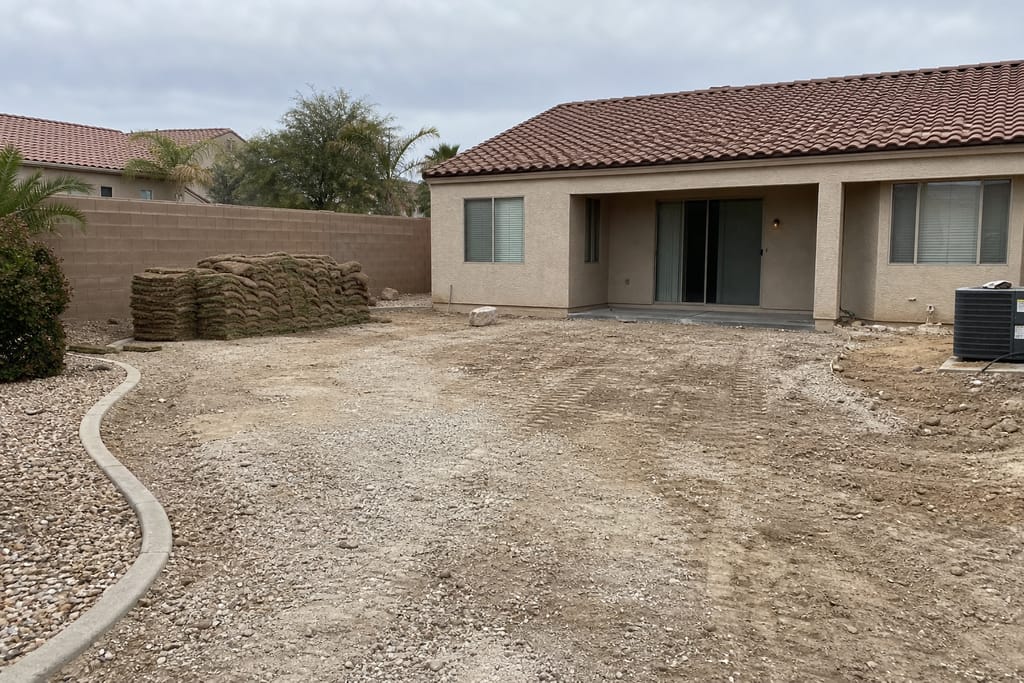
Before 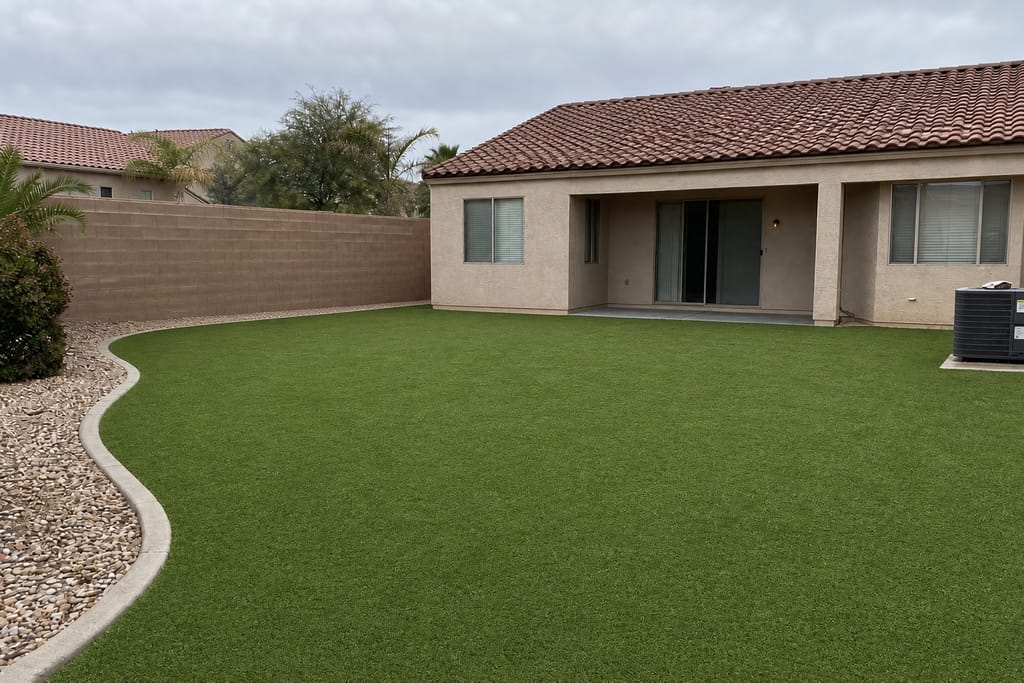
After
FAQs
Desert-Adapted Turf Installs FAQs
Does artificial turf get too hot to walk on in Arizona summers?
Standard turf can get uncomfortably hot in direct afternoon sun. Heat-rated fiber and reflective infill reduce surface temperature noticeably, though no turf stays cool in full sun at 115°F.
What makes desert-adapted turf different from standard turf?
The fiber, infill, and backing are all selected specifically for heat resistance rather than general residential use, which costs more but holds up better long-term.
How long does heat-rated turf last compared to standard turf?
UV-stabilized backing and heat-resistant fiber typically outlast standard turf by several years under the same sun exposure.
Is desert-adapted turf worth the extra cost?
For yards with heavy direct sun exposure, especially near pool decks or south-facing walls, yes. For shaded or partially covered areas, standard turf may be enough.
Can I add heat-rated infill to turf I already have?
In some cases we can top off or replace infill on existing turf, though full fiber replacement is usually part of a larger repair or reinstall.
Next step
Get a Desert-Adapted Turf Installs Estimate in Green Valley
Call Green Valley Artificial Turf Experts at (928) 256-5260 or request a free estimate for heat-rated turf built for Arizona summers.
More services
Other Artificial Turf services
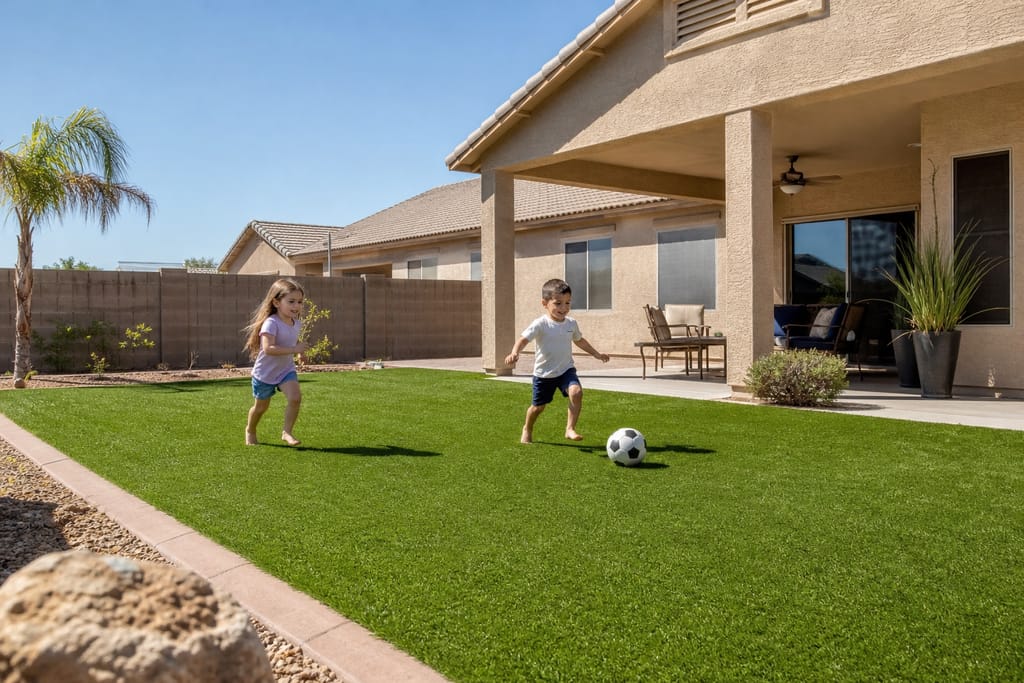
Artificial Turf Installation
Artificial turf installation with base prep, seaming, and infill built for desert soil. Free estimates.
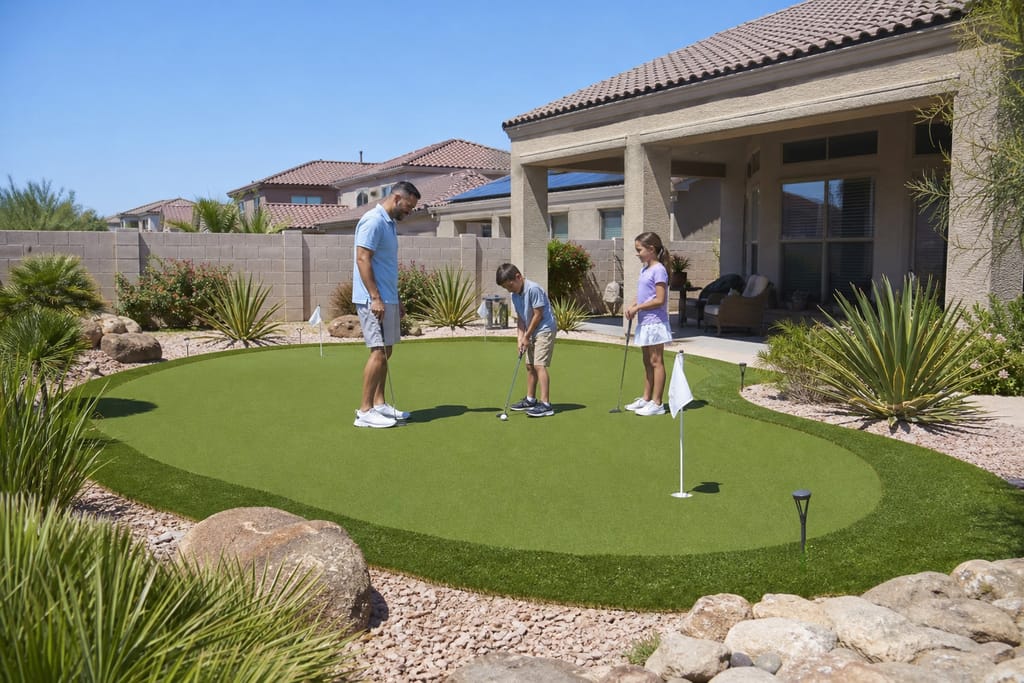
Putting Green Installation
Custom backyard putting green installation in Green Valley, AZ with contoured breaks, regulation cups, and free estimates.
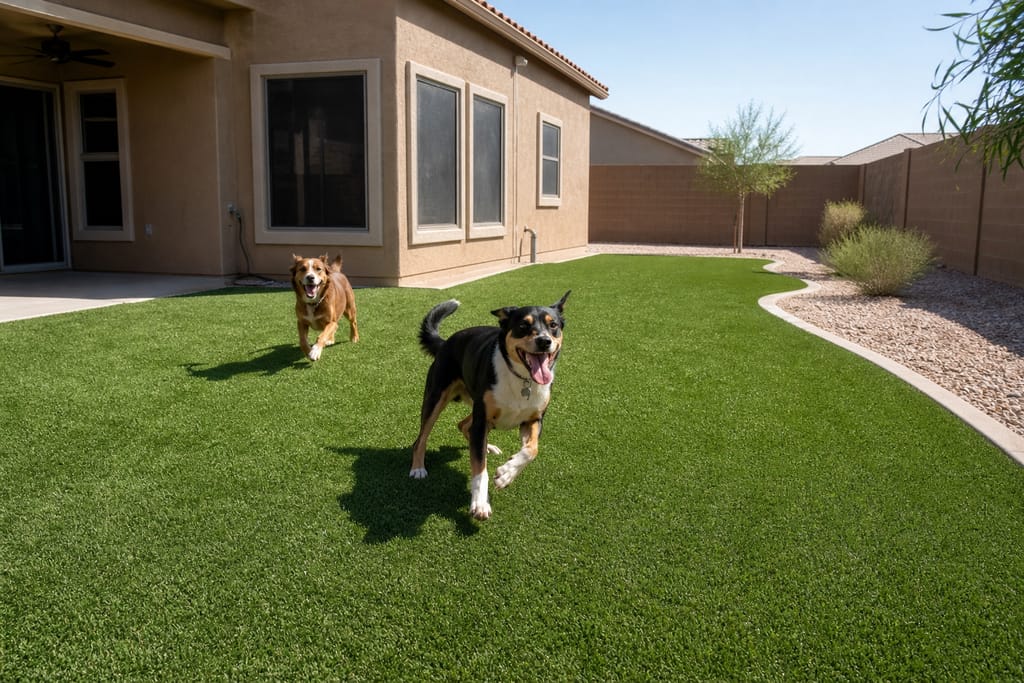
Pet Turf Installation
Pet turf installation in Green Valley, AZ with drainage backing and odor-control infill for dog owners. Free estimates.
Ask about Desert-Adapted Turf Installs
Tell us about the project and how to reach you.